The Knoxville Pest & Wildlife Guide
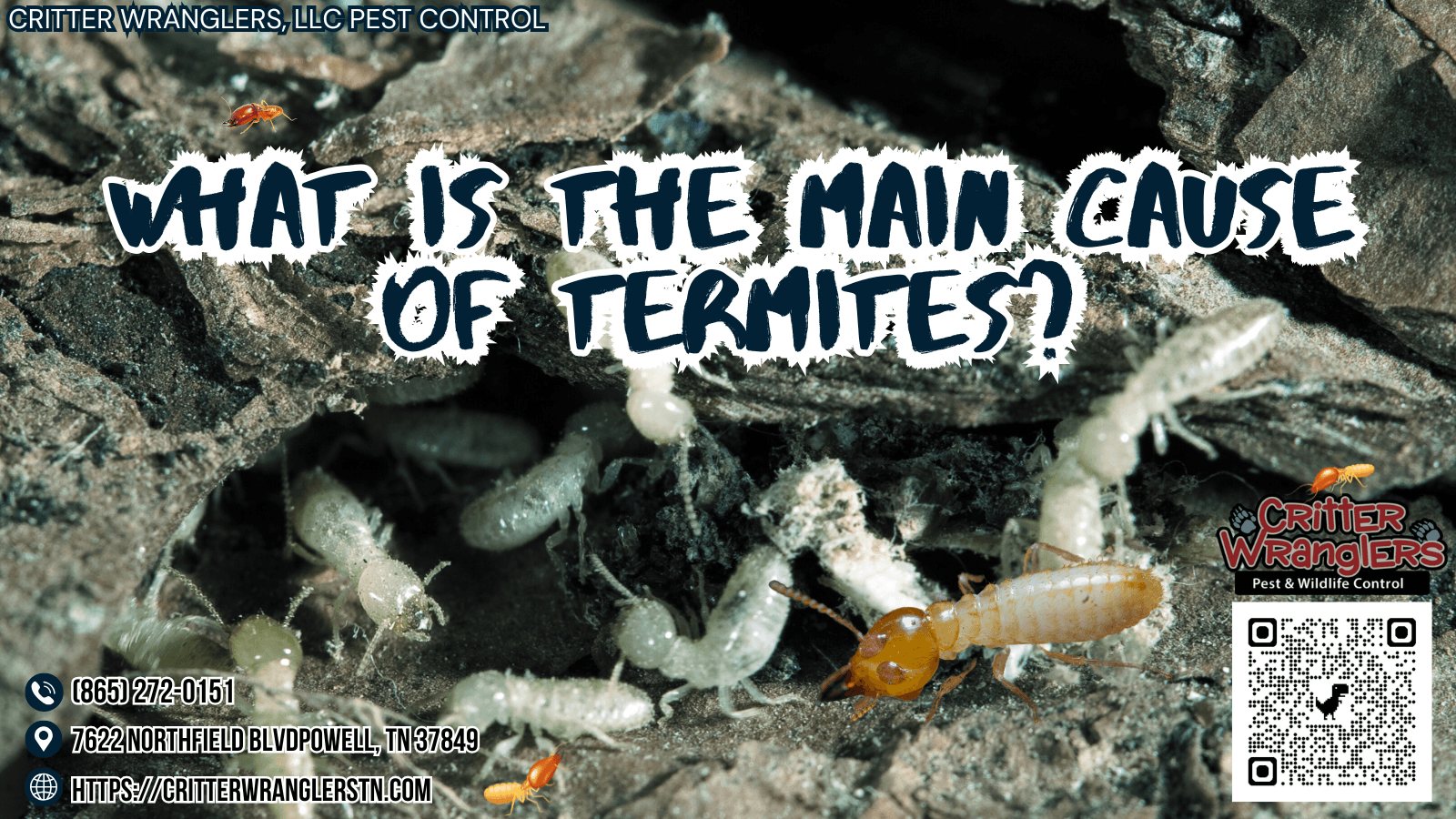
Termites primarily thrive due to the presence of wood, moisture, and suitable environmental conditions. They are especially attracted to softwoods and decaying wood, which serve as food sources. Excess moisture from leaks and high humidity creates ideal living conditions for these pests.
- Written by: Staff
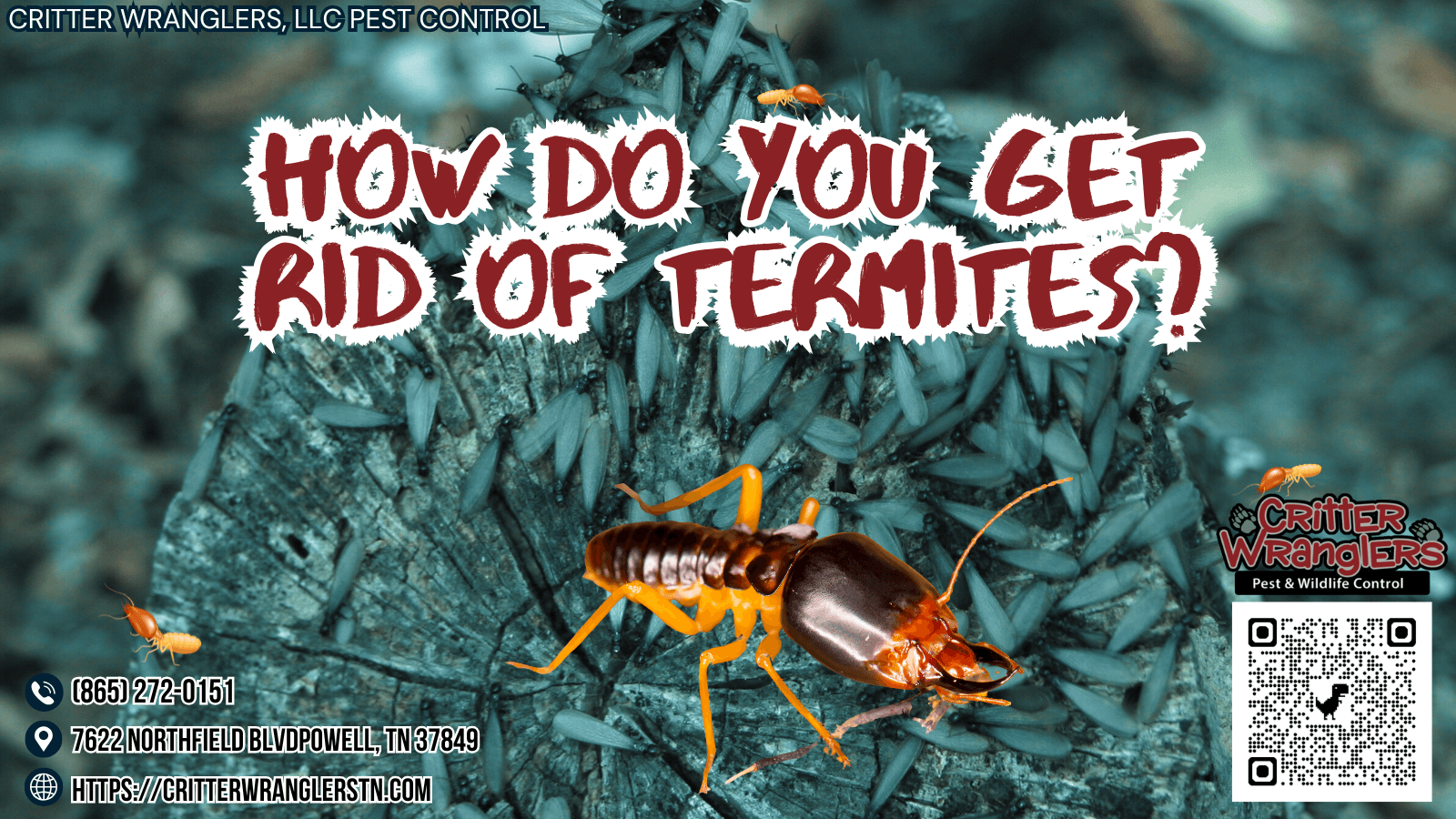
To get rid of termites, one must first identify the infestation signs, such as mud tubes and droppings. DIY methods include using bait systems, essential oils, vinegar, and boric acid for control. Professional pest control offers quick chemical treatments or eco-friendly solutions.
- Written by: Staff
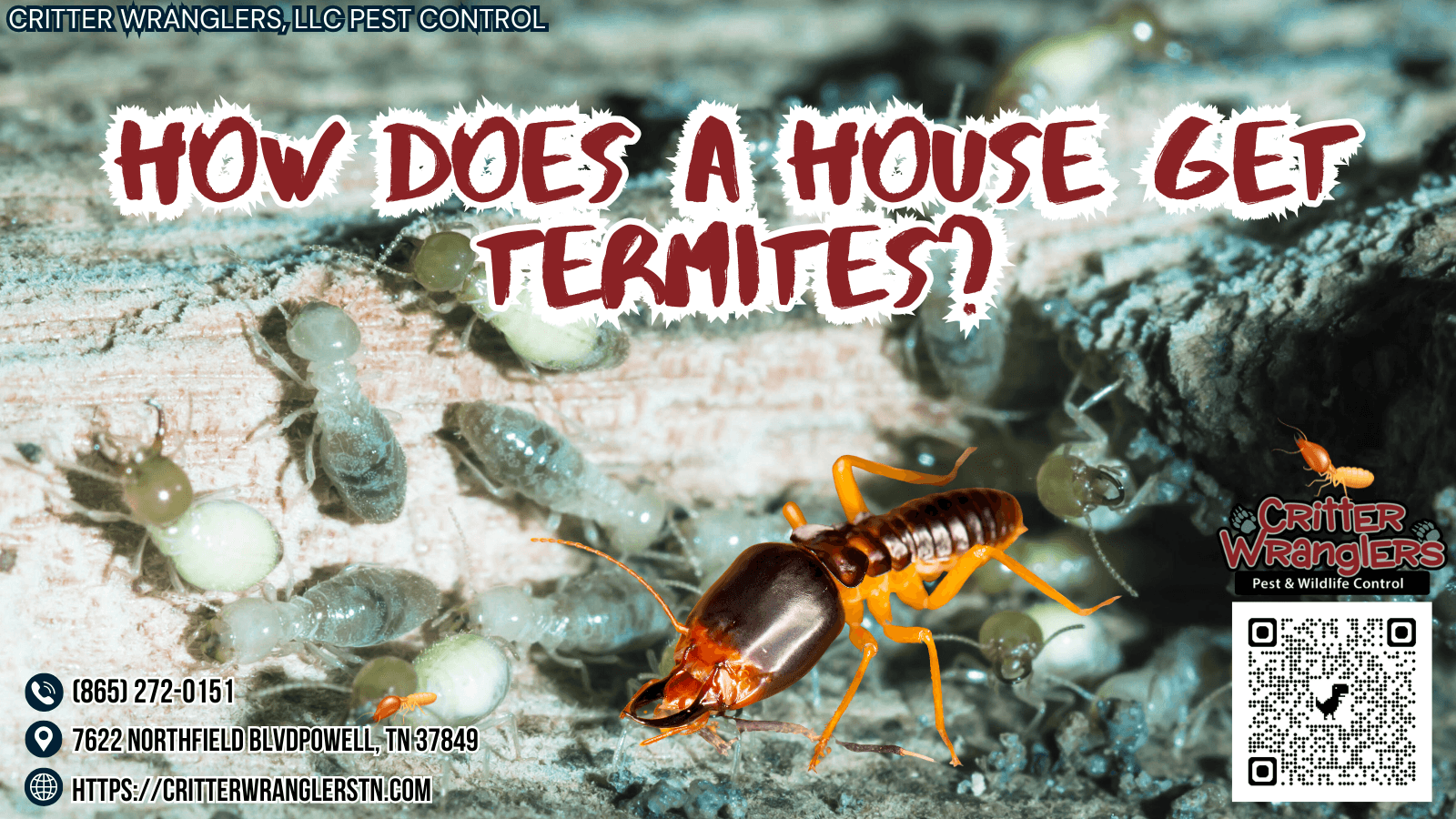
Houses can get termites for several reasons. Moisture is a big draw for these pests. Wood that touches the soil lets termites access homes easily.
- Written by: Staff
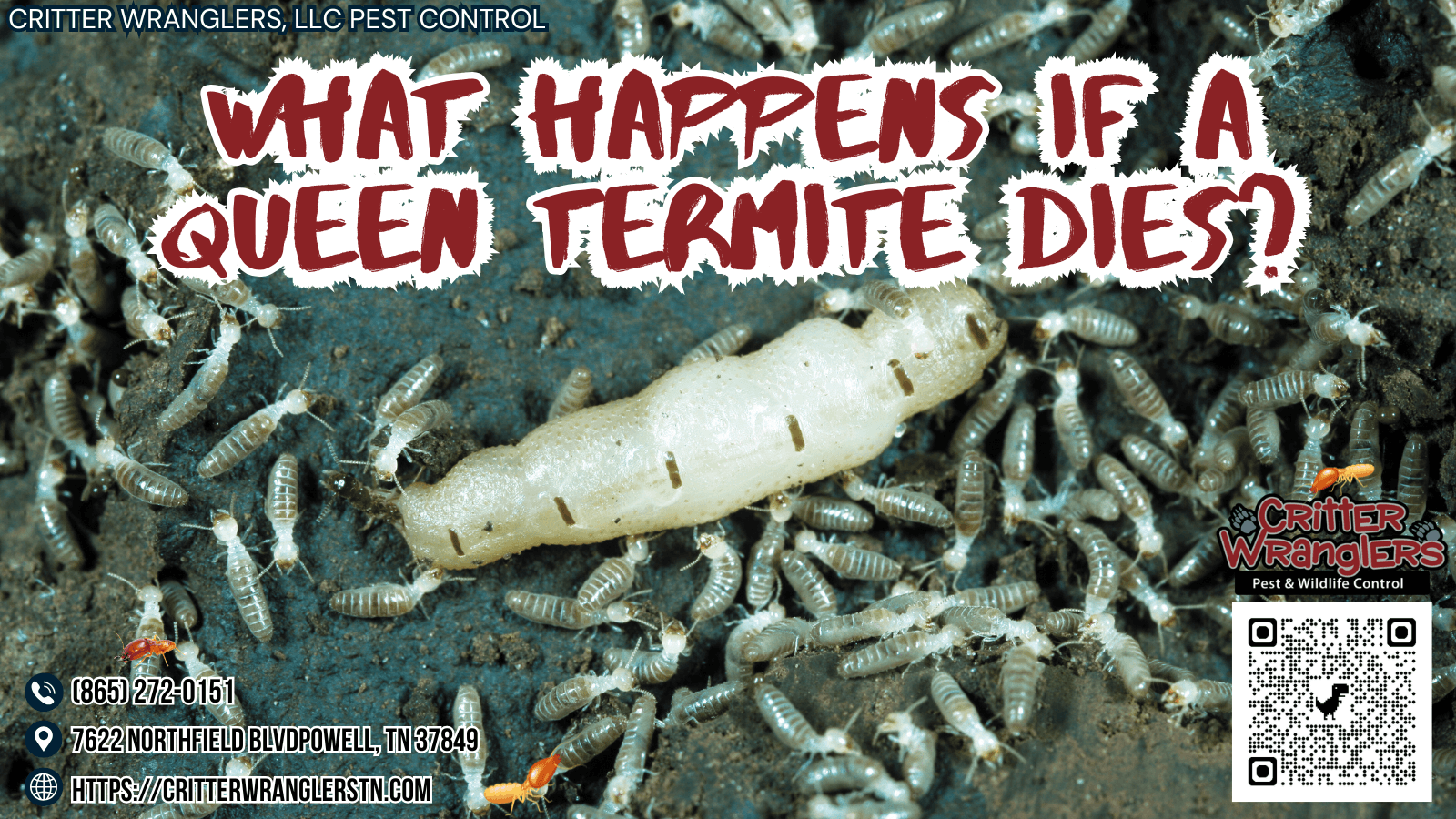
If a queen termite dies, the colony faces chaos and instability. The communication among members is disrupted, leaving workers confused. With no new eggs, the population declines over time.
- Written by: Staff