Squirrel Species in East Tennessee
Tennessee is home to three squirrel species that commonly invade homes. Each behaves differently, and knowing which species you're dealing with helps determine the best removal approach.
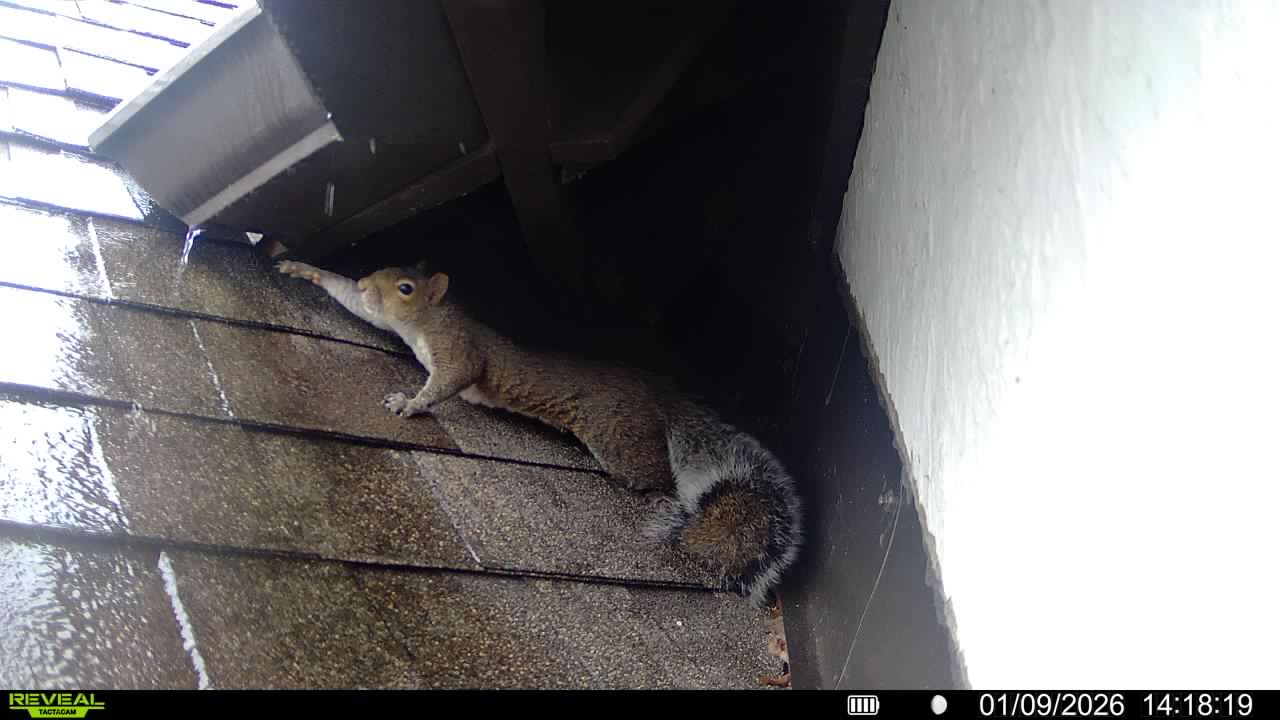
Eastern Gray Squirrels: The most common squirrel in the Knoxville area. Active during the day, primarily in the early morning and late afternoon. They breed twice a year — late winter and late spring — and access attics by climbing trees near the roofline and chewing through soffits, powered attic vents, fascia, ridge caps, gable vents, or weakened roofing materials.
Eastern Fox Squirrels: Larger than gray squirrels and less common in suburban neighborhoods, but still present across East Tennessee. They follow the same breeding schedule as gray squirrels and cause the same types of damage.
Flying Squirrels: The species homeowners are least likely to see but most likely to hear. Nocturnal, small, and colonial nesters — a single attic can host a dozen or more at a time. Signs that point specifically to flying squirrels include scratching and thumping at night (not during the day), urine stains on the ceiling, small tunnels through blown insulation, and cached acorns in the attic.
How Our Squirrel Removal Works
People underestimate squirrels because they look harmless, but the damage they cause inside a home is serious. Their continuously growing incisors mean they chew on everything — electrical wiring, HVAC ductwork, wood framing, and insulation — and their droppings contaminate attic spaces and create odor problems.
Inspection
We inspect your property to confirm the species, locate entry points, identify nesting areas, and check for the presence of young. In most cases, we can provide an estimate over the phone, but an on-site inspection ensures nothing is missed.
Humane Trapping and Removal
We use professional-grade traps placed at entry points and along travel routes. All trapping complies with Tennessee Wildlife Resources Agency regulations. If young are present, we ensure the entire family is removed.
Exclusion and Entry Point Sealing
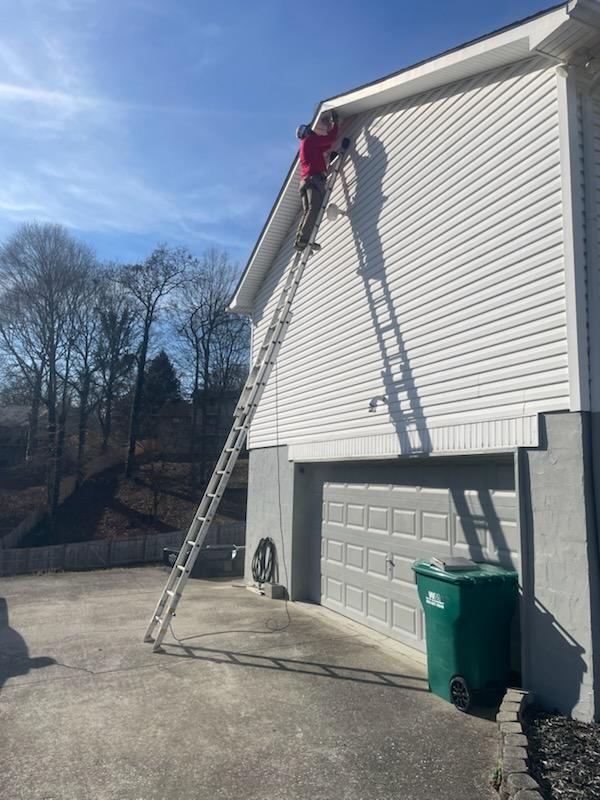
After removal, we recommend sealing every active and potential entry point to prevent re-entry. Squirrels are persistent and will chew their way back in through gaps they've used before if the openings aren't properly secured. Our exclusion and repair services use materials designed to withstand squirrel gnawing.
Cleanup and Restoration
For attics with significant contamination from droppings, urine, or destroyed insulation, our attic restoration service removes compromised material and restores the space to safe, clean condition.
Signs of a Squirrel Problem
Squirrel activity in your attic or walls is usually hard to miss once it starts. Common indicators include:
- Scurrying, scratching, or gnawing sounds in the attic or walls during the day (gray/fox squirrels) or at night (flying squirrels)
- Damaged soffits, fascia, gable vents, or roofing materials where squirrels have chewed an entry point
- Droppings in the attic or along rafters
- Gnaw marks on electrical wiring, wood framing, or HVAC ductwork
- Torn or flattened attic insulation used for nesting
- Urine stains or odors in the attic
- Acorn caches or nesting material stored in the attic
Can squirrels cause a house fire? Yes. Squirrels chew through electrical wiring in attics and wall voids, which can create exposed connections and arcing that leads to fires. This is one of the most serious risks of a squirrel infestation and one of the strongest reasons to address the problem quickly.
When Are Squirrels Most Active?
Gray and fox squirrels breed twice a year, with litters arriving in February/March and again in June/July. Call volume increases in fall as temperatures drop and squirrels seek warm shelter for winter.
Flying squirrels are active year-round but are most noticeable during colder months when they're most active at night and don't leave the structure to forage. Because flying squirrels are nocturnal and colonial, their removal often requires a different approach than gray or fox squirrel work. Contact us if you suspect flying squirrels so we can tailor the removal plan accordingly.
Your attic provides warmth, safety, and shelter that squirrels won't abandon voluntarily. Without trapping and exclusion, they'll continue to use your home as a nesting site and cause more damage over time.
Remove Squirrels Safely: Contact Critter Wranglers Today
Critter Wranglers is locally owned and operated, licensed by the Tennessee Department of Agriculture, certified by the Tennessee Wildlife Resources Agency, and fully bonded and insured. Squirrel removal is one of our most common wildlife removal calls, and our technicians handle these situations quickly, humanely, and thoroughly.
Contact us today to schedule your free inspection, or give us a call at (865) 973-1095.
Frequently Asked Questions
How do squirrels get into the attic?
Squirrels are agile climbers and strong chewers. They access attics by climbing trees or downspouts to the roofline, then chewing through soffits, fascia, gable vents, or weakened roofing materials. A gap of just a couple of inches is enough for a gray squirrel to exploit and enlarge into a full entry point.
What time of year are squirrels most active in attics?
Gray and fox squirrels breed twice a year, with litters arriving in February/March and again in June/July. Call volume increases in fall as temperatures drop and squirrels seek warm shelter for winter. Flying squirrels are active year-round but are most noticeable during colder months when they're most active at night and don't leave the structure to forage.
Can squirrels cause a house fire?
Yes. Squirrels chew through electrical wiring in attics and wall voids, which can create exposed connections and arcing that leads to fires. This is one of the most serious risks of a squirrel infestation and one of the strongest reasons to address the problem quickly.
Will squirrels leave on their own?
No. Your attic provides warmth, safety, and shelter that squirrels won't abandon voluntarily. Without trapping and exclusion, they'll continue to use your home as a nesting site and cause more damage over time.
Do you remove flying squirrels too?
Yes. Flying squirrel removal requires a different approach because they're nocturnal, colonial, and often present in larger numbers than gray or fox squirrels. Our technicians are experienced with all three species and will tailor the removal plan based on what the inspection reveals.
What happens after the squirrels are removed?
We seal every entry point to prevent re-entry. Without exclusion work, new squirrels will find the same openings and move in behind the ones we removed. For attics with significant contamination, we offer attic restoration to remove damaged insulation and sanitize the space.