Stinging Insects We Remove
East Tennessee is home to a wide variety of stinging insects. Some are solitary and relatively docile, while others live in large colonies and will aggressively defend their nests when disturbed. The species we most commonly treat include yellow jackets, wasps and paper wasps, hornets, ground-nesting bees, mud daubers, honeybees, and bumblebees.
Get in Touch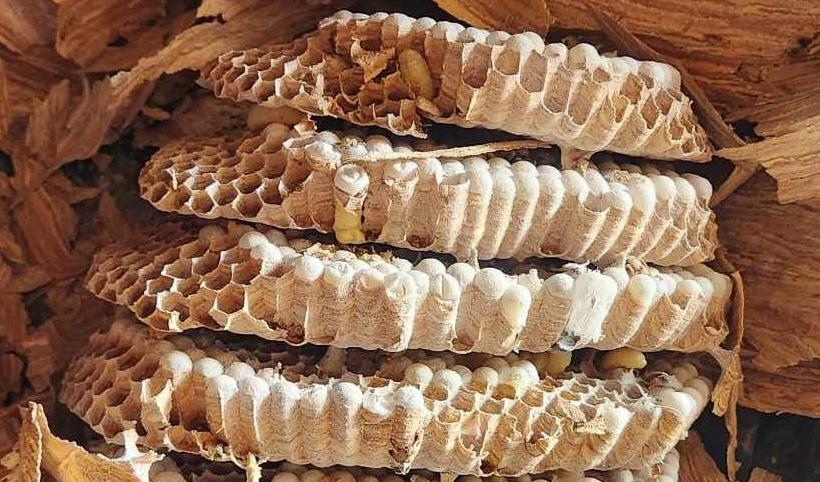
How Our Stinging Insect Removal Works
Inspection and Identification
We identify the species, locate the nest, and assess the best approach for safe removal. Treatment strategy varies significantly depending on whether we're dealing with yellow jackets in a wall void, paper wasps under an eave, or honeybees that need relocation.
Safe Nest Removal or Treatment
Our technicians use appropriate protective equipment and targeted application methods to eliminate or remove the nest. For honeybees, we prioritize relocation when feasible.
Entry Point Repair
Stinging insects often access homes through damaged siding, gaps around vents, openings in soffits, and cracks in masonry. We identify these vulnerable areas and can seal them to prevent future nesting activity.
Follow-Up & Prevention
Sealing entry points, removing old nest material, and repairing damaged areas of your home's exterior significantly reduce the chance of reinfestation. Our technicians address these factors as part of the removal process.
Stinging insects send more than half a million people to the emergency room each year. Professional removal is the safest and most effective option — don't attempt to investigate or disturb a nest yourself. Contact our team and we'll take care of it safely.
Common Nesting Locations
Knowing where stinging insects build helps you spot problems early and avoid accidental encounters. Common nesting sites include:
- Under eaves, porch ceilings, and deck overhangs
- Inside wall voids, attics, and soffits
- Underground in yards, gardens, and along walkways
- In garages, sheds, and outbuildings
- Around chimneys and vent openings
- In shrubs, trees, and woodpiles
- Behind damaged siding or loose trim
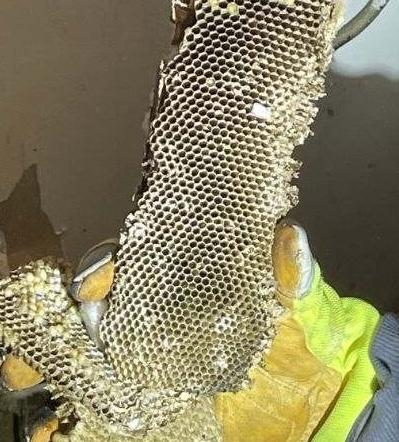
If you notice insects repeatedly entering and exiting the same spot on your home's exterior, there's likely a nest behind it. Yellow jackets are the most aggressive species you're likely to encounter — they can sting multiple times and release a pheromone that signals colony members to attack. Nests inside wall voids, attics, or soffits can also cause secondary damage if dead insects, honeycomb, or nest material is left behind to attract other pests.
Choose the Right Service Plan for Your Home
One-Time Nest Removal
Ideal for a single nest or a new stinging insect problem that doesn't call for an ongoing plan. We identify the species, eliminate or relocate the nest, and address the entry points and conditions that drew them to your property so they don't simply rebuild in the same spot.
Quarterly Pest Control
The most popular plan for Knoxville-area homeowners. Four visits per year, timed around seasonal shifts in pest behavior, include stinging insect monitoring — especially important in late summer and fall when yellow jacket colonies reach peak size and aggression.
Monthly Pest Control
Best for properties with persistent stinging insect activity, multiple nesting sites, or homes where stinging insects have accessed wall voids or structural areas. Consistent monitoring catches new nesting activity early before colonies establish and grow.

Exterior-Only Service
We treat your home's exterior eaves, overhangs, soffits, window frames, and entry points to eliminate existing nests and deter new nesting activity. Most stinging insect problems can be managed from the exterior alone, and if a nest develops inside a wall void or structural area between visits, we'll come back and address it.

Carpenter Bee Control
Carpenter bees require a different approach than other stinging insects because they bore into wood rather than building traditional nests. We provide dedicated carpenter bee control, including treatment of active tunnels, hole sealing, and prevention recommendations to protect your deck, fascia, and wood trim. Visit our carpenter bee control page for more details.
Remove Stinging Insects Safely: Contact Critter Wranglers Today
Critter Wranglers is locally owned and operated, licensed by the Tennessee Department of Agriculture, and fully bonded and insured. Our technicians have logged thousands of successful stinging insect removals across the Greater Knoxville area, and we treat every job with the urgency and care your safety requires.
Contact us today to schedule your free inspection, or give us a call at (865) 973-1095.

Frequently Asked Questions
Should I try to remove a wasp or yellow jacket nest myself?
No. Disturbing a nest without proper equipment can provoke a mass attack, especially from yellow jackets and hornets. Over-the-counter sprays may knock down a few insects but often fail to eliminate the colony and can make them more aggressive. Professional removal is the safest and most effective option.
How quickly can you respond to a stinging insect problem?
We understand that stinging insects near entries, outdoor living areas, or play spaces create an urgent safety concern. We prioritize these calls and work to get a technician to your property as quickly as possible, typically the same day or next business day.
Can you remove honeybees without killing them?
When possible, yes. Honeybees are important pollinators, and we take a humane approach to removal. If relocation is feasible based on the nest location and colony size, we'll pursue that option. In some cases, such as colonies established deep inside a wall void, removal may require treatment, but we'll always discuss your options before proceeding.
What should I do if someone gets stung?
For most people, a sting causes localized pain, swelling, and redness that resolves within a few hours. Clean the area, apply ice, and take an over-the-counter antihistamine if needed. If the person experiences difficulty breathing, facial swelling, dizziness, or nausea, seek emergency medical attention immediately, as these are signs of a severe allergic reaction.
Will stinging insects come back after the nest is removed?
They can if the conditions that attracted them aren't addressed. Sealing entry points, removing old nest material, and repairing damaged areas of your home's exterior significantly reduce the chance of reinfestation. Our technicians address these factors as part of the removal process.
Do you also handle carpenter bees?
Yes. Carpenter bees require a different approach than other stinging insects because they bore into wood rather than building traditional nests. We provide dedicated carpenter bee control, including treatment, hole sealing, and prevention recommendations. Visit our carpenter bee control page for more details.