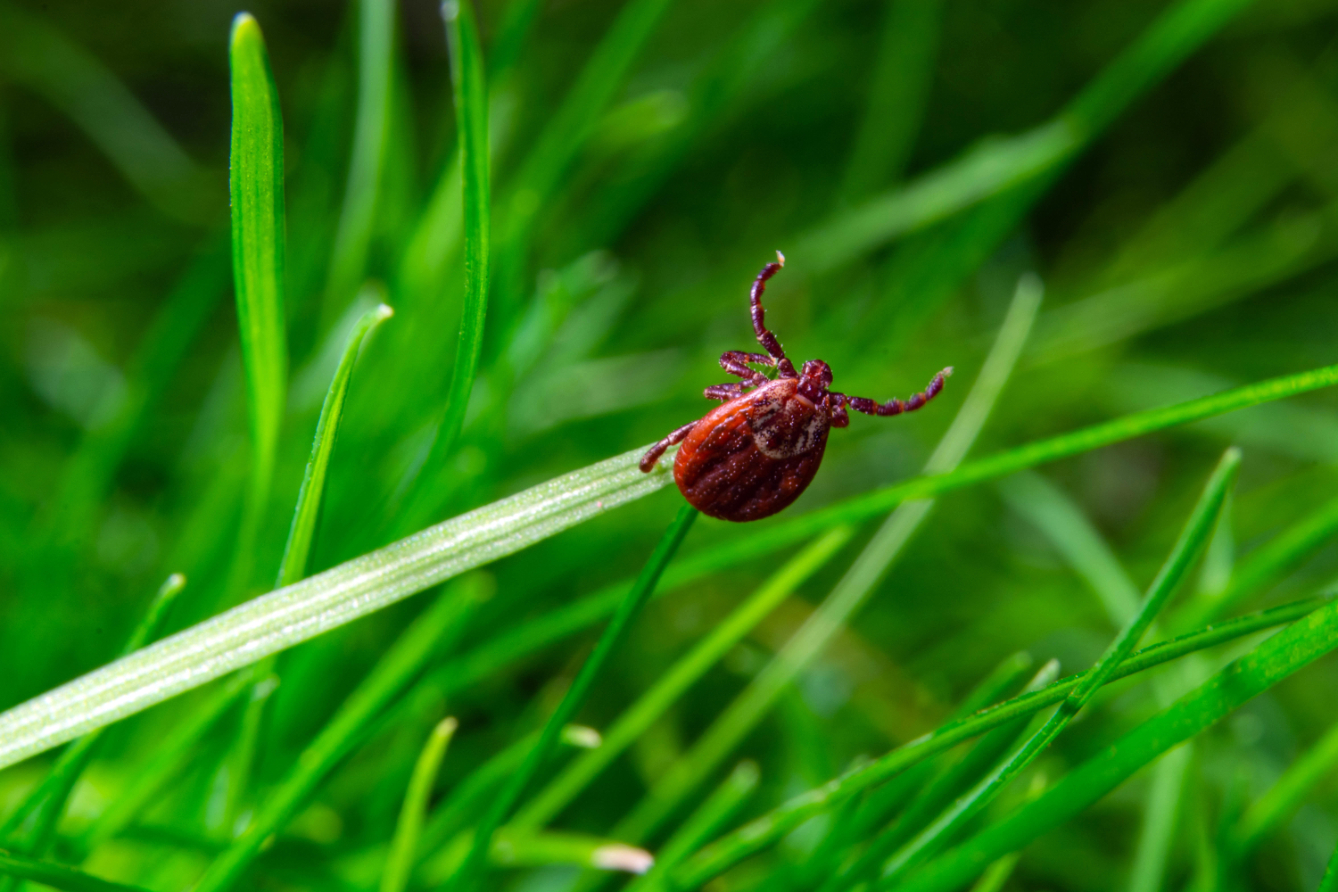
How Fleas Get Into Your Home
Fleas don't need an invitation. They typically hitch a ride indoors on dogs and cats, but they can also travel on clothing, used furniture, or even wildlife passing through your yard. Once inside, they move fast. A single female flea can lay up to 50 eggs per day, and those eggs fall off your pet and into carpets, furniture, pet bedding, and cracks in flooring where they develop into larvae and eventually adult fleas.
This rapid reproduction is what makes flea infestations so frustrating. By the time you notice your pet scratching or feel bites on your ankles, the population is already established across multiple stages of the lifecycle. Killing the adult fleas you can see only addresses a fraction of the problem. The eggs, larvae, and pupae hiding in your home will continue to develop and replenish the population unless the full lifecycle is addressed.
Get in Touch
How Our Flea and Tick Control Works
Inspection
We assess your home, yard, and pet areas to determine the severity of the infestation and identify the conditions that are supporting it.
Indoor Treatment
For flea infestations, we treat carpets, furniture, pet bedding areas, and baseboards with products that target adult fleas, larvae, and eggs. We focus on the areas where fleas develop, not just the areas where you see them.
Yard Treatment
For ticks and outdoor flea activity, we treat the yard, focusing on shaded areas, tall grass, fence lines, and the perimeter of your home where pests are most concentrated.
Follow-Up Treatments
Flea infestations sometimes require two or more visits spaced a few weeks apart. This ensures that pupae that survived the initial treatment are eliminated as they emerge into adults. Your technician may set a follow-up schedule based on the severity of your situation.
We also recommend coordinating your professional treatment with a veterinary flea and tick program for your pets. Treating the home without treating the pet, or vice versa, leaves the cycle incomplete. Contact our team to schedule your free inspection.

Signs You Have a Flea or Tick Problem
Catching the problem early makes treatment faster and more effective. Common indicators include:
- Pets scratching, biting, or grooming themselves excessively
- Small, dark, fast-moving insects in your pet's fur or on their skin
- Black flecks (flea dirt) or white flecks (flea eggs) in pet bedding, carpets, or furniture
- Red, itchy bites on your ankles, lower legs, or waistline
- Ticks attached to your pet's skin, particularly around the ears, neck, and between the toes
- Ticks found on clothing or skin after spending time outdoors in tall grass, wooded areas, or leaf litter
Tick Risks in East Tennessee: Ticks are more than a nuisance. Several tick species found in the Knoxville area can transmit serious diseases, including Lyme disease, Rocky Mountain spotted fever, Alpha Gal syndrome, and ehrlichiosis. East Tennessee's wooded landscapes, mild winters, and abundant wildlife create ideal tick habitat, and properties that border wooded or overgrown areas are especially susceptible.
Choose the Right Service Plan for Your Home
One-Time or Yearly Service
Ideal for seasonal flea problems or a sudden infestation. Most flea problems can be fully resolved with two to three treatments. A one-time service is often all it takes for homes without a persistent pest pressure issue.
Quarterly Pest Control
The most popular plan for Knoxville-area homeowners. Four visits per year provide reliable year-round protection, including flea and tick monitoring during peak spring and summer activity. Extended-control products bridge the gap between treatments.
Monthly Pest Control
Best for homes with active flea infestations, multiple pets, or properties with frequent wildlife activity nearby. The consistent treatment schedule ensures every lifecycle stage is addressed and prevents populations from rebounding between visits.
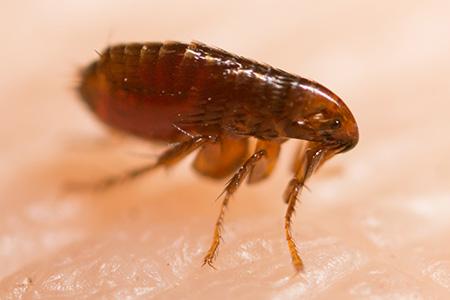
Indoor Flea Treatment
Full interior treatment targeting carpets, furniture, pet bedding areas, and baseboards with products that address every stage of the flea lifecycle. Traditional service visits require access to the inside of your home and are scheduled during regular business hours at a time that works for you.
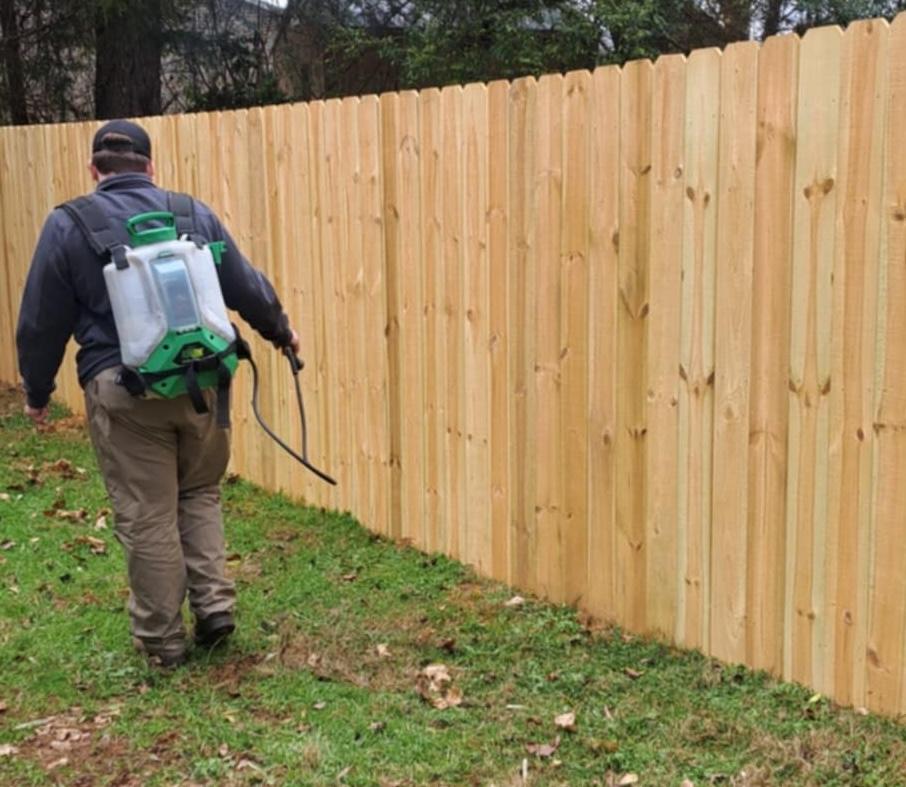
Yard and Tick Treatment
Targeted yard treatments for tick habitat areas, including shaded zones, tall grass, fence lines, and wooded edges. Especially important for properties that border wooded or overgrown areas where tick exposure is highest. For properties in high-exposure areas, adding flea and tick treatments to your ongoing pest control plan provides protection throughout the warmer months.
Contact us to discuss which plan fits your situation.
Eliminate Fleas and Ticks: Contact Critter Wranglers Today
Critter Wranglers is locally owned and operated, licensed by the Tennessee Department of Agriculture, and fully bonded and insured. We understand that flea problems are stressful, often unexpected, and need to be resolved quickly. Our technicians act fast, treat thoroughly, and follow up to make sure the job is done right.
Contact us today to schedule your free inspection, or give us a call at (865) 973-1095.

Frequently Asked Questions
Can fleas infest a home without pets?
Yes. Fleas can be carried in on clothing, used furniture, or by wildlife that has access to crawlspaces or attics. Homes that previously had pets can also harbor dormant flea pupae that emerge weeks or even months after the pet has left.
How long does it take to get rid of fleas?
Some infestations may require two to three treatments spaced a few weeks apart to fully resolve. The initial treatment kills active adults and larvae, while the residual effects of the product should eliminate flea pupae as they emerge. You should see significant improvement shortly after the first visit, but follow-up treatments are occasionally necessary.
Why do I still see fleas after treatment?
It's normal to see some flea activity for one to two weeks after the initial treatment. Flea pupae are protected by a cocoon that resists most products, and they emerge as adults over the following days and weeks.
Do you treat yards for ticks?
Yes. We provide yard treatments targeting tick habitat areas, including shaded zones, tall grass, fence lines, and wooded edges. This is especially important for properties that border wooded or overgrown areas where tick exposure is highest.
Are flea and tick treatments safe for pets?
Yes. Our products are selected for safety and applied in a way that minimizes risk to your pets. Your technician will provide specific instructions about when pets can re-enter treated areas. We also recommend coordinating with your veterinarian on a pet-specific flea and tick prevention program for the best results.
Is flea control a one-time service or ongoing?
Flea control is typically a one-time or short-term service. Most flea problems can be fully resolved with two to three treatments. However, homes in high-exposure areas or properties with frequent wildlife activity nearby may benefit from adding flea and tick treatments to their ongoing pest control plan.