Why Carpenter Bees Are a Problem
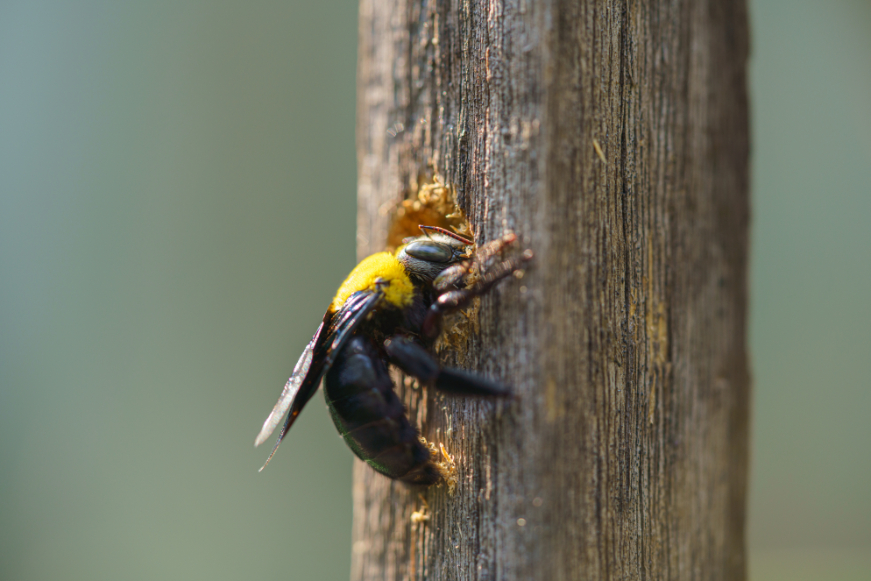
Carpenter bees are the largest bee species found in the Knoxville area, and they're easy to mistake for bumble bees at first glance. The key difference is that carpenter bees are solitary nesters that bore into wood rather than building hives. Each female drills a half-inch hole into untreated or weathered wood and carves a tunnel system inside where she lays her eggs.
The damage from a single bee in a single season is relatively minor. The real problem is that carpenter bees return to the same nesting sites year after year, extending their tunnels deeper into the wood each time. Over multiple seasons, this can weaken deck posts, porch railings, fascia boards, window trim, and other structural elements. The holes also invite moisture, which accelerates rot and can lead to secondary damage.
To make matters worse, woodpeckers are drawn to carpenter bee nesting sites. They peck into the wood to feed on the larvae inside, creating large, ragged holes that are far more destructive than what the bees themselves produce. If you're seeing round holes in exposed wood around your home, especially during spring, early summer or fall, carpenter bees are the likely culprit.
Residential Pest Services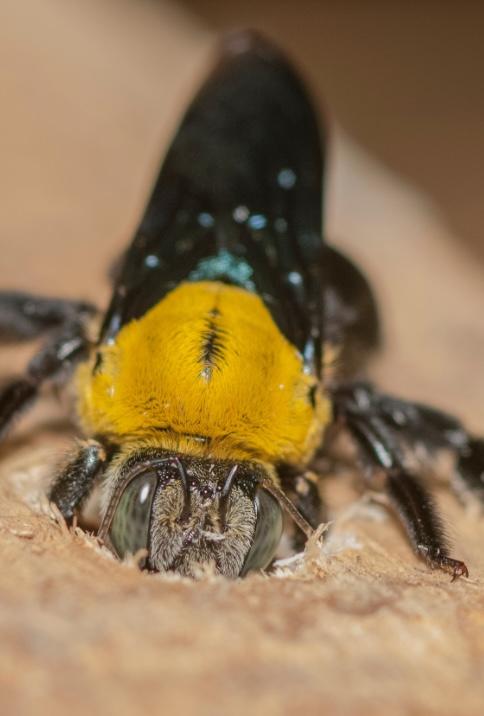
How Our Carpenter Bee Control Works
Exterior Inspection
We examine your home's exterior for active boring holes, sawdust-like frass below entry points, and signs of woodpecker damage that indicate established nesting activity.
Targeted Treatment
Our technicians apply insecticide directly into and around the tunnel systems to eliminate active bees and developing larvae. This ensures the colony is addressed at its source, not just at the surface.
Hole Sealing
After treatment, we can seal the entry holes to prevent other carpenter bees from moving into the vacant tunnels. This step is critical because open holes attract new bees season after season.
Prevention Recommendations
We'll advise you on steps to reduce future carpenter bee activity, such as painting or staining exposed wood surfaces, which makes them less attractive as nesting sites.
For homes with recurring carpenter bee problems, we recommend adding carpenter bee monitoring to your residential pest control plan. Our technicians will check for new activity during scheduled visits and treat early before damage accumulates. Contact our team to schedule your free inspection.

Where Carpenter Bees Nest
Carpenter bees target untreated, unpainted, or weathered softwood. The most common nesting locations on Tennessee homes include:
- Deck railings, posts, and joists
- Fascia boards and soffits
- Porch ceilings and support beams
- Window and door trim
- Wooden siding and shingles
- Outdoor furniture and play structures
- Fence posts and pergolas
If you notice round, smooth holes roughly the diameter of a finger in any of these areas — particularly with yellowish staining or small piles of sawdust below — you likely have an active carpenter bee infestation. Getting rid of carpenter bees requires more than just spraying the holes. Effective treatment involves addressing active nests, treating the tunnels to eliminate larvae and returning adults, and sealing entry points to prevent reinfestation.
Choose the Right Service Plan for Your Home
One-Time Treatment
Ideal for homes with a current carpenter bee infestation that don't need an ongoing plan. We treat active tunnels, eliminate larvae and returning adults, and seal entry holes to stop new bees from moving in. A targeted one-time treatment is often all it takes to resolve the problem for the season.
Quarterly Pest Control
The most popular plan for Knoxville-area homeowners. Four visits per year, timed around seasonal shifts in pest behavior, provide reliable year-round protection — including carpenter bee monitoring during spring emergence and fall activity periods.
Monthly Pest Control
Best for homes with persistent or recurring carpenter bee activity, active infestations, or significant structural wood exposure. Consistent monitoring catches new boring activity early so damage never has a chance to accumulate across seasons.
Exterior-Only Treatment
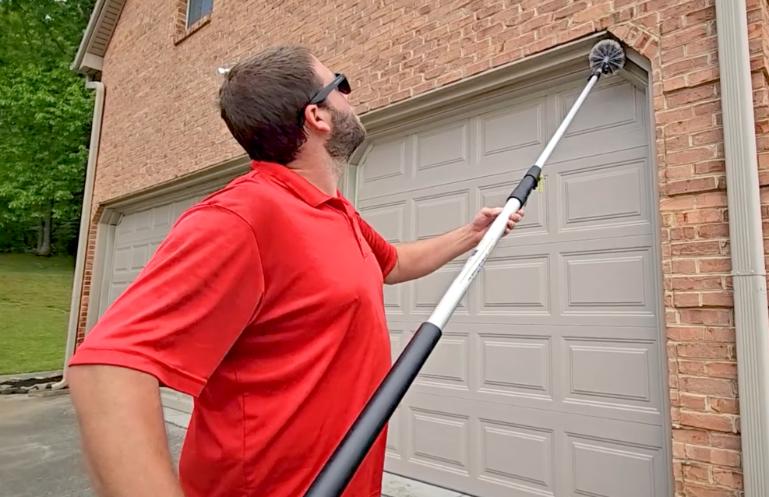
Perfect for busy homeowners who don't want to schedule around being home. We treat your home's exterior wood surfaces, tunnel entry points, and eaves to eliminate active bees and protect against new nesting. If a follow-up is needed between visits, we'll come back at no additional charge.
Stinging Insect Removal
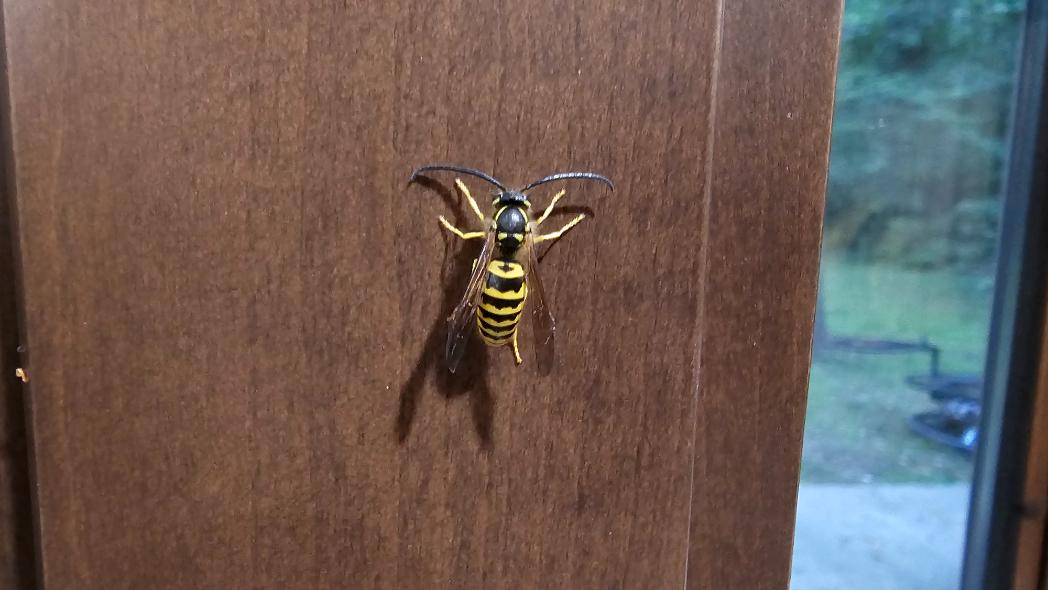
In addition to carpenter bees, we provide control for wasps, hornets, and yellow jackets. Our technicians are trained to handle all stinging insects safely and effectively, so if you're dealing with more than one species around your home's exterior, we can address everything in a single visit.
Get Rid of Carpenter Bees: Contact Critter Wranglers Today
Critter Wranglers is locally owned and operated, licensed by the Tennessee Department of Agriculture, and fully bonded and insured. Our technicians understand the nesting behavior and seasonal patterns of carpenter bees in East Tennessee, and we know how to eliminate them without causing further damage to your home.
Don't let carpenter bees turn your deck, porch, or fascia into a nesting site. Contact us today to schedule your free inspection, or give us a call at (865) 973-1095.

Frequently Asked Questions
Do carpenter bees sting?
Female carpenter bees can sting but rarely do unless handled directly. Males are the ones you'll see hovering aggressively near nesting sites, but they don't have stingers. The primary concern with carpenter bees is property damage, not stinging.
What's the difference between carpenter bees and bumble bees?
Carpenter bees look similar to bumble bees but have a smooth, shiny black abdomen rather than a fuzzy one. The easiest way to tell them apart is behavior. If you see a large bee hovering near wood surfaces or disappearing into a round hole, it's almost certainly a carpenter bee. Bumble bees nest in the ground and don't bore into wood.
When are carpenter bees most active?
Carpenter bees emerge in spring, typically April through June in East Tennessee. This is when mating and nesting activity peaks, and it's the best time to treat. A second, smaller wave of activity can occur in late summer to early fall when the next generation emerges.
Will carpenter bees come back after treatment?
Without sealing the entry holes, yes. Open tunnels attract new carpenter bees looking for nesting sites. That's why we recommend sealing every hole after the infestation is eliminated. Painting or staining exposed wood also significantly reduces the likelihood of future activity.
Can carpenter bees cause structural damage?
Over time, yes. A single season of activity produces relatively minor damage, but carpenter bees return to the same sites year after year and extend their tunnels deeper each season. After several years of untreated activity, the accumulated damage can weaken deck posts, porch supports, and other structural wood. Woodpecker damage at nesting sites compounds the problem further.
Do you also handle other stinging insects?
Yes. In addition to carpenter bees, we provide control for wasps, hornets, and yellow jackets through our stinging insect removal service. Our technicians are trained to handle all stinging insects safely and effectively.