The Two Problems Skunks Create
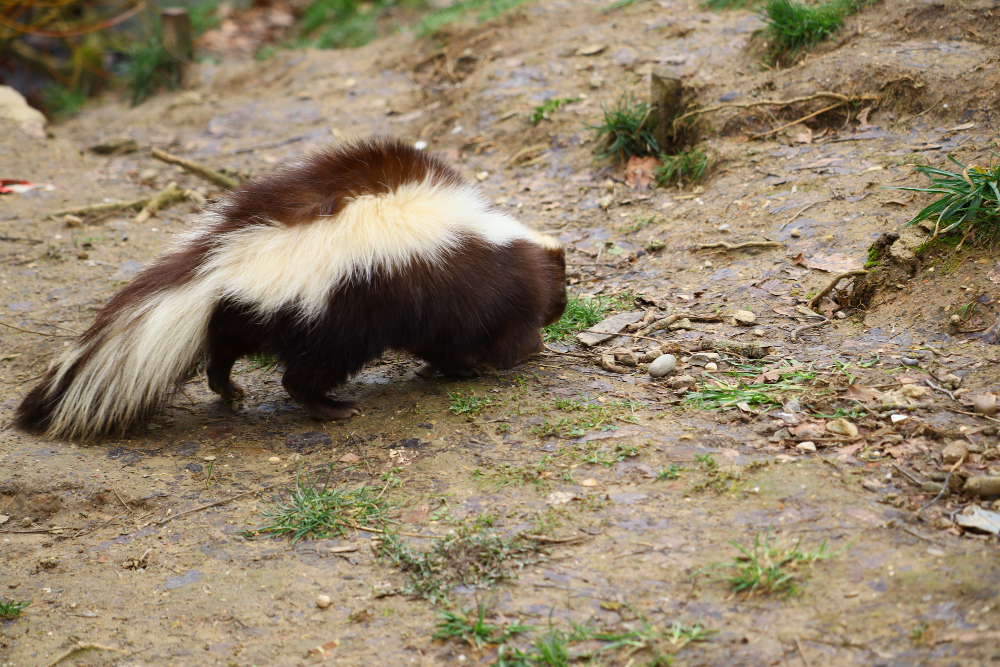
Skunk complaints generally come down to two issues: the smell and the yard damage.
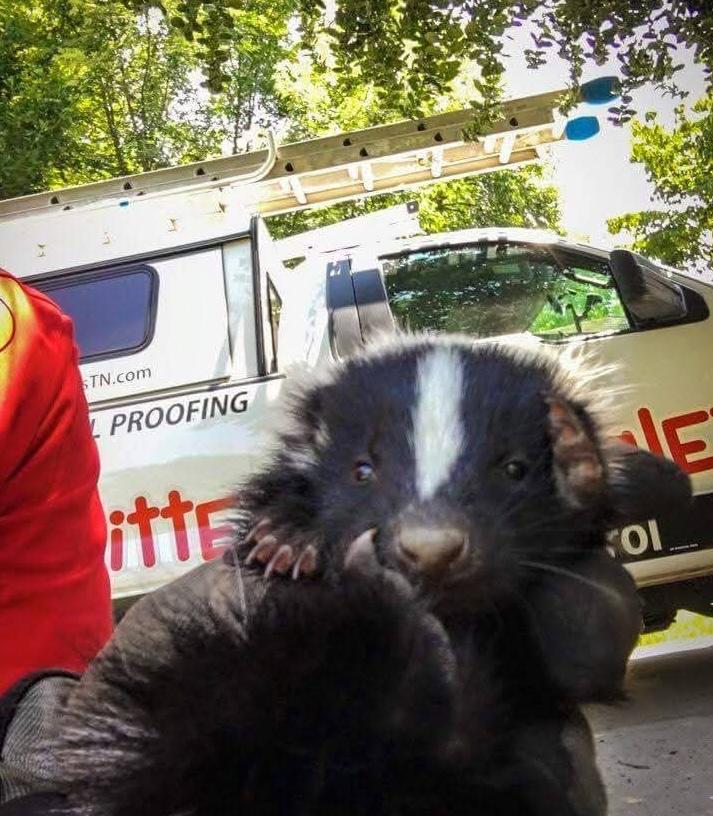
The odor. Skunks are most active during breeding season in February, and that's when the smell becomes hardest to avoid. The real odor problem comes when a female dens under your home or shed and has a litter of kits, typically four to eight born in May. Juvenile skunks can't control their spray well and tend to practice on everything, including each other. A litter of young skunks under your deck can make your outdoor spaces unbearable for weeks.
The yard damage. Skunks grub for insects and earthworms at night, digging small cone-shaped holes across your lawn as they root through the soil. A single skunk can turn a well-maintained yard into a minefield overnight. The more food they find, the more they dig, and freshly sodded yards are especially vulnerable.
How Our Skunk Removal Works
Do not attempt to approach, trap, or relocate a skunk yourself. They are a primary carrier of rabies in Tennessee and will spray when they feel threatened. Professional handling is the only safe approach.
Assessment
We identify where the skunk is denning, whether young are present, and what's attracting them to your property.
Humane Trapping
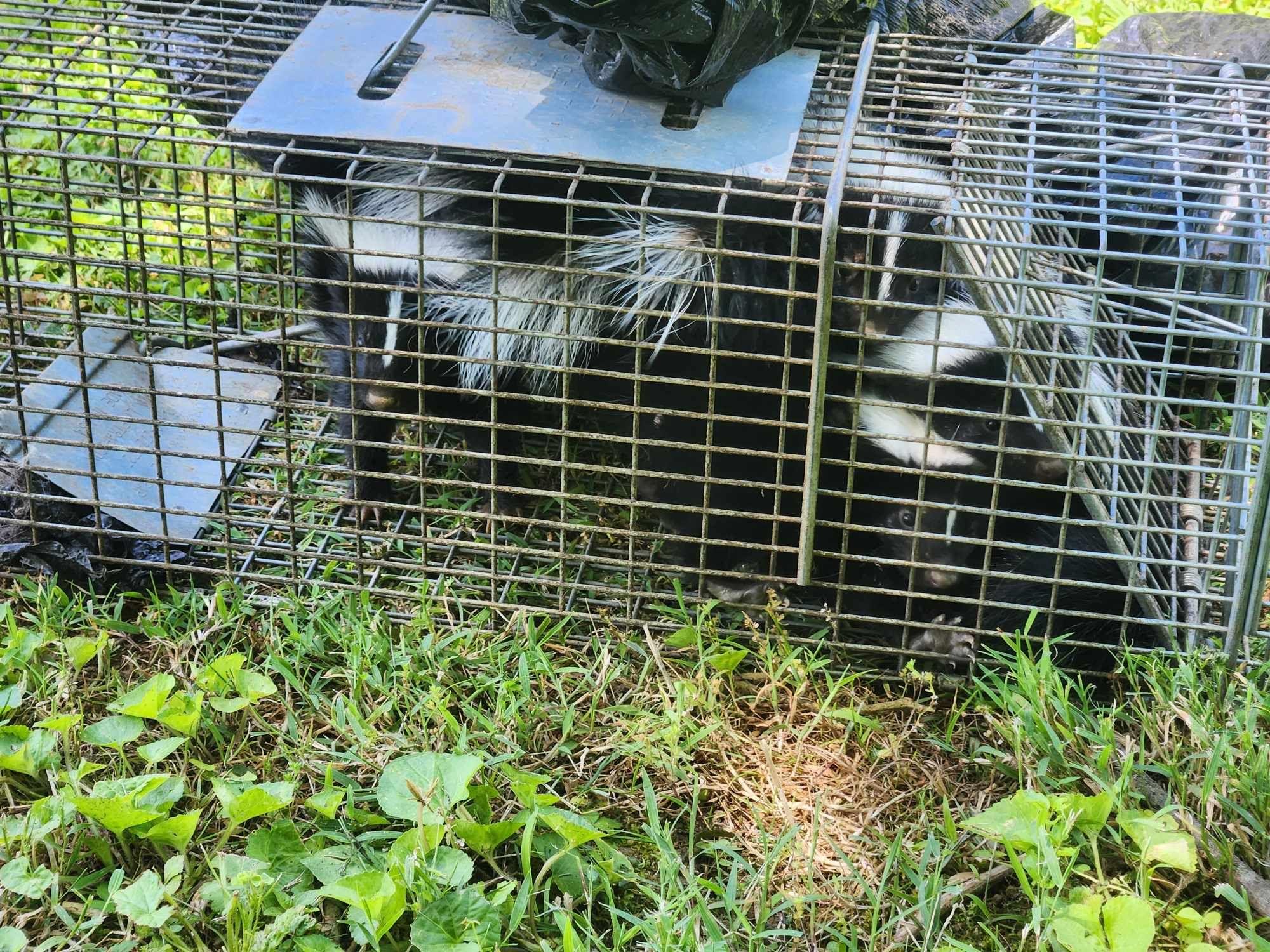
We use live cage traps placed strategically based on the skunk's travel patterns and den location. If a mother and kits are involved, we ensure the entire family is removed.
Exclusion
After removal, we recommend sealing the denning area to prevent other skunks or wildlife from moving in. Our exclusion and repair services use professional-grade materials to close off access points under decks, porches, sheds, and foundations.
Habitat Recommendations
We'll advise on changes to reduce future skunk activity: securing trash cans, removing outdoor pet food, and sealing potential den sites around your property.
Signs of Skunk Activity
Common indicators that a skunk has taken up residence on your property:
- Persistent musky odor around your home, especially near the foundation, deck, or outbuildings
- Shallow, cone-shaped holes scattered across the lawn or flowerbeds
- Sightings at dusk or dawn near trash cans, pet food bowls, or garden areas
- Damage to low-hanging plants or garden beds
- Evidence of denning under decks, porches, sheds, crawlspaces, or A/C units
If you're seeing or smelling a skunk on a regular basis, contact us before the problem grows. A single skunk can quickly become a family, especially during breeding season.
Do Skunks Carry Rabies?
Yes. Skunks are one of the primary carriers of rabies in Tennessee. This is why you should never approach a skunk, especially one that appears disoriented, is active during the daytime, or seems unusually aggressive. Call a professional for any skunk encounter.
There's always a risk of spray during removal, which is exactly why professional removal is recommended. Our technicians are experienced in handling skunks carefully to minimize the chance of spraying. Specialized trapping techniques and equipment help keep the process as controlled as possible.
Contact Critter Wranglers for Skunk Removal Today
Critter Wranglers is locally owned and operated, licensed by the Tennessee Department of Agriculture, certified by the Tennessee Wildlife Resources Agency, and fully bonded and insured. Our technicians handle skunk removal carefully and professionally so you don't have to deal with the risk of a spray or a bite.
Contact us today to schedule your free inspection, or give us a call at (865) 973-1095.
Frequently Asked Questions
What should I do if my pet gets sprayed by a skunk?
Bathe your pet as soon as possible using a mixture of hydrogen peroxide, baking soda, and dish soap, which is more effective than tomato juice at breaking down the spray oils. Avoid getting the solution in your pet's eyes. If your pet was bitten, contact your veterinarian immediately to assess the risk of rabies exposure.
When are skunks most active?
Skunks are nocturnal and most active at dusk and dawn. Breeding season begins in February, with litters born in May. Skunk-related calls tend to spike in late winter through early summer as breeding activity increases and mothers establish dens to raise their young.
Will skunks spray during removal?
There's always a risk, which is exactly why professional removal is recommended. Our technicians are experienced in handling skunks carefully to minimize the chance of spraying. Specialized trapping techniques and equipment help keep the process as controlled as possible.
Can skunks get under my house?
Yes. Skunks commonly den under decks, porches, sheds, crawlspaces, and even A/C units. They look for dark, sheltered spaces at ground level with easy access. Sealing these areas through exclusion work after removal is the best way to prevent them from returning.
Do skunks carry rabies?
Yes. Skunks are one of the primary carriers of rabies in Tennessee. This is why you should never approach a skunk, especially one that appears disoriented, is active during the daytime, or seems unusually aggressive. Call a professional for any skunk encounter.